
How Mess & Clutter can affect Children's Development

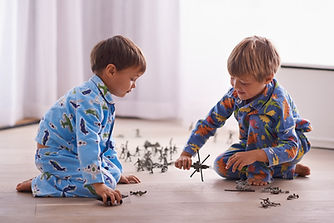
Mess and clutter are part of everyday family life. Toys spill across the floor, school papers pile up, and bedrooms can quickly turn into obstacle courses. While a certain level of mess is normal—and even healthy—chronic clutter can have a meaningful impact on children’s development. Understanding the difference can help parents create environments that support learning, emotional wellbeing, and independence.
Mess vs. Clutter: Why the Difference Matters
Mess is temporary and purposeful. It often appears during play, creativity, or learning—think LEGO creations, art supplies, or imaginative role‑play. Mess usually has a clear end point and is easy to reset.
Clutter, on the other hand, is ongoing and disorganized. It builds up over time, lacks clear systems, and can overwhelm both physical space and mental focus. For children, living in a constantly cluttered environment can subtly affect how they think, feel, and behave.
Cognitive Development and Concentration
Children’s brains are still developing their ability to focus, filter information, and self‑regulate. Cluttered environments compete for their attention, making it harder to concentrate on tasks such as reading, homework, or problem‑solving.
Research shows that visual overload can reduce working memory and slow information processing. When children are surrounded by too many objects, their brains must work harder to decide what to focus on—often leading to frustration, distraction, or avoidance of tasks altogether.
Emotional Wellbeing and Stress Levels
Clutter doesn’t just affect attention; it can also impact emotions. Overstimulating environments may increase feelings of stress, irritability, and anxiety in children—especially those who are more sensitive or neurodivergent.
Children may not have the language to say they feel overwhelmed, but it can show up as:
Increased meltdowns or emotional outbursts
Resistance to homework or bedtime routines
Difficulty relaxing or settling down
A calmer, more organized space can help children feel safer and more regulated.
Independence and Life Skills
An organized environment supports independence. When children know where things belong, they are more likely to:
Find what they need on their own
Take responsibility for their belongings
Participate in tidying routines
In cluttered spaces, children may feel helpless or rely more on adults because systems don’t make sense to them. Simple, child‑friendly organization builds confidence and teaches lifelong skills such as responsibility, planning, and decision‑making.
Creativity: Can Clutter Ever Be Helpful?
There is a common belief that clutter fuels creativity—and to an extent, this can be true. Open‑ended materials, accessible toys, and flexible spaces encourage imaginative play. However, creativity thrives best in intentional mess, not chaos.
When everything is visible and accessible, children may jump quickly from one activity to another without deep engagement. Rotating toys, limiting choices, and providing clear zones for play can actually enhance creativity and focus.
Sleep and Daily Routines
Bedrooms play a crucial role in rest and regulation. A cluttered bedroom can interfere with sleep by:
Creating visual stimulation at bedtime
Making it harder to establish calming routines
Increasing nighttime anxiety or restlessness
Clear surfaces, minimal distractions, and predictable layouts help signal to a child’s brain that it’s time to wind down.
How Parents Can Create Supportive Spaces
Creating a developmentally supportive home doesn’t mean aiming for perfection. Instead, focus on simplicity and consistency:
Declutter gradually: Involve children in choosing what to keep, donate, or store.
Create clear homes for items: Labels, baskets, and low shelves make organization accessible.
Rotate toys: Fewer options at once reduce overwhelm and increase engagement.
Model habits: Children learn organizational skills by watching adults.
Respect personality differences: Some children need more structure; others thrive with flexibility.
A Balanced Perspective
Mess is not the enemy. Children need freedom to explore, create, and play without fear of constant correction. The goal is balance: allowing meaningful mess while preventing chronic clutter from taking over.
By thoughtfully shaping children’s environments, parents can support focus, emotional wellbeing, independence, and healthy development—one clear surface at a time.


Comments